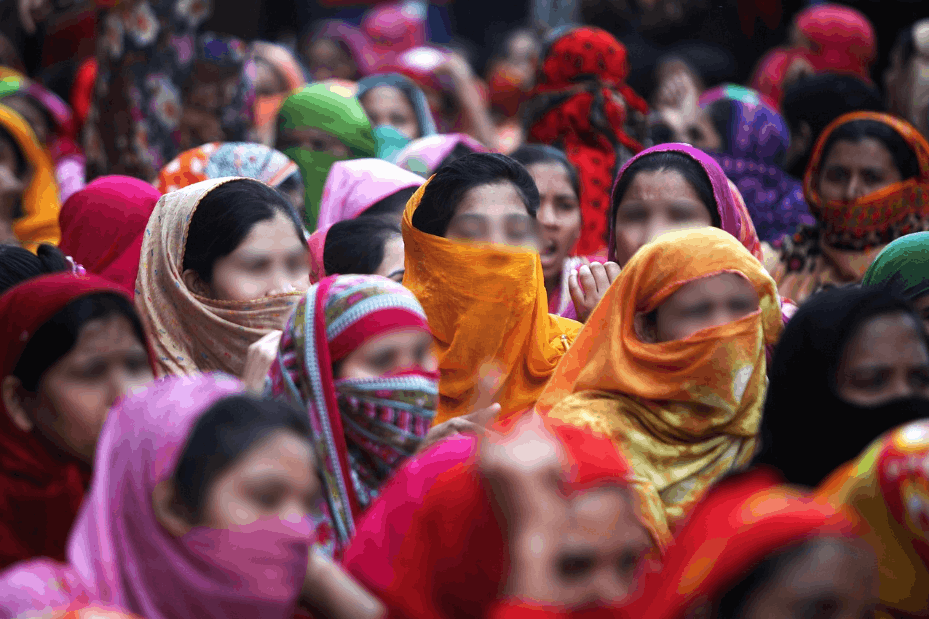
Human trafficking continues across the world, largely for sexual exploitation, and India carries a significant share of this reality, with millions of women living inside the trade and millions more pushed toward it each year. In India, over ten million women face sex trafficking annually, and more than one third enter before the age of eighteen, often without understanding what lies ahead or how difficult leaving will become. Women and girls make up nearly all those trapped in commercial sexual exploitation, and while numbers cannot hold lives, they quietly reveal how widespread and persistent this harm remains.
It often begins with familiarity rather than fear, with a face that feels known and a voice that sounds reassuring. Someone from nearby, a neighbour or a distant relative, offers a path that seems reasonable, speaking of work, stability, and the possibility of supporting family left behind. The offer feels caring, even protective, and its danger is not immediately visible.
Trust settles in easily when hope is already present. Once the threshold of the home is crossed, the deception shatters. Identity documents are confiscated, mobile phones destroyed, and family ties severed. The woman is no longer an individual; she becomes an asset in a ledger. The “sale” is often justified by a manufactured debt like the cost of transport, the cost of “training”, ensuring she remains tethered to a system that profits from her every hour.
Life inside red-light areas is shaped by exploitation that becomes routine. Violence by clients is often dismissed, driven by the belief that women in the trade cannot be violated. Many remain trapped in constant debt due to unpaid dues to brothel owners, while offensive name-calling follows them on the streets and in society. Basic human needs such as food, adequate sleep, and medication are frequently denied, turning survival into daily negotiation.
Living conditions deepen this harm. Brothels are often located in dilapidated buildings, some over three hundred years old. Each room, known as a pinjra, can be as small as 20 square feet and is shared by four to fifteen women, leaving no space for rest or privacy. Overcrowding and poor sanitation make these areas hotspots for tuberculosis, HIV, AIDS, and other STDs. Myths and superstitions increase risk, and women who fall ill are often abandoned. Beyond this, stigma, weak access to justice, and bureaucratic insensitivity make rebuilding life deeply difficult.
Perhaps the most tragic aspect of this industry is its generational appetite. For the daughters born into the red-light districts, the cycle of exploitation begins at birth. Without intervention, a girl growing up in a brothel has a nearly 100% chance of being forced into the same trade as her mother.
The inherited chain is forged by a lack of alternatives. Schooling is often disrupted or absent, while exposure to gambling, narcotics, pornography, exploitation, and abuse shapes how the world makes sense. When a child’s only playground is a brothel alley and their only role models are victims, the path forward narrows to what is immediately present. Breaking this chain requires more than just empathy; it requires a physical and educational sanctuary that provides a different narrative for these young lives before the industry claims them.
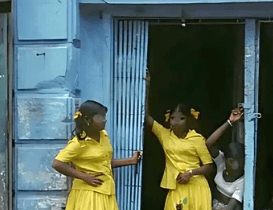
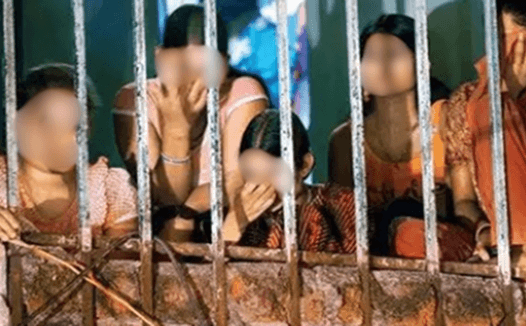
From the outside leaving may appear to be a single decision, but from within it feels like walking toward uncertainty without shelter. Debt, poor health, missing documents, and deep social stigma follow women beyond red-light areas, making survival outside feel more dangerous than staying. Families may refuse acceptance, employers may deny opportunity, and fear of retaliation remains close. What appears as choice from a distance is often the outcome of being left with nowhere else to stand.
The walls are unseen, yet they hold firmly.
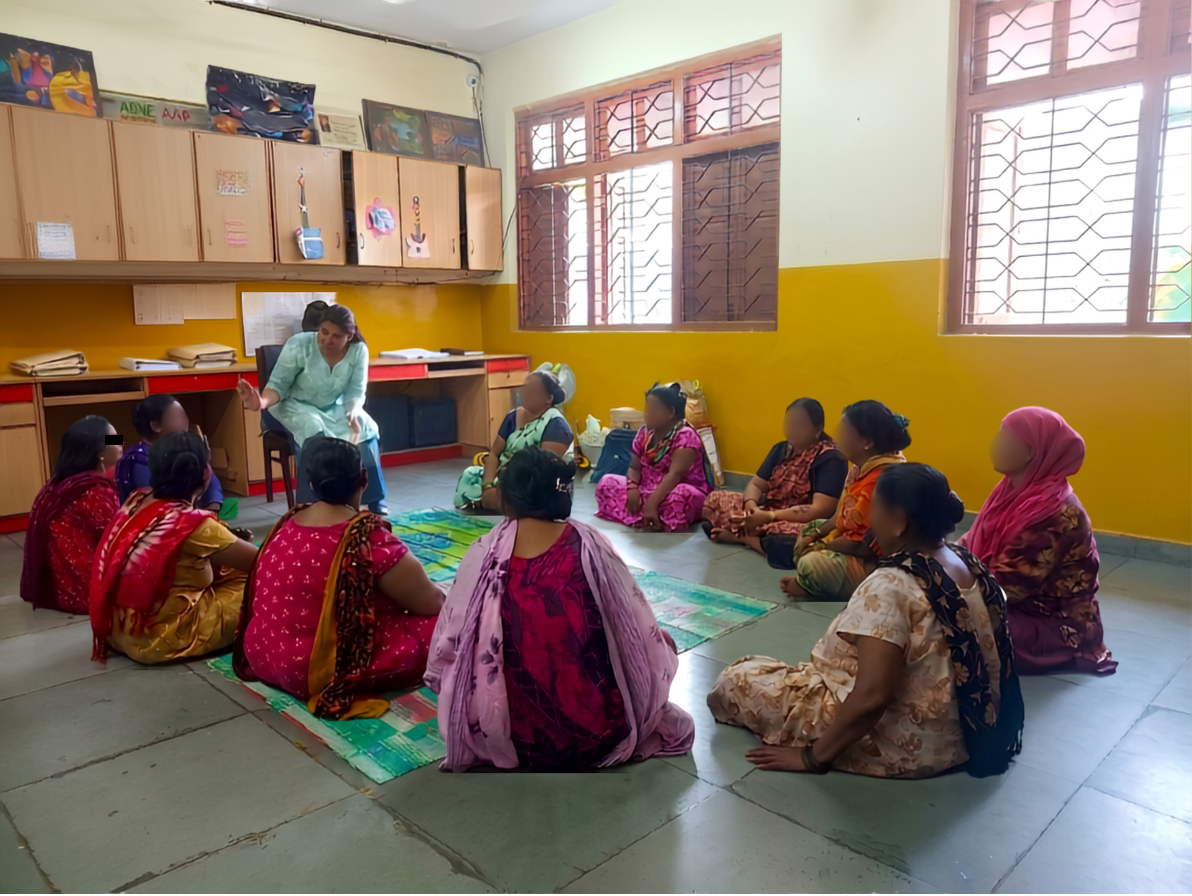
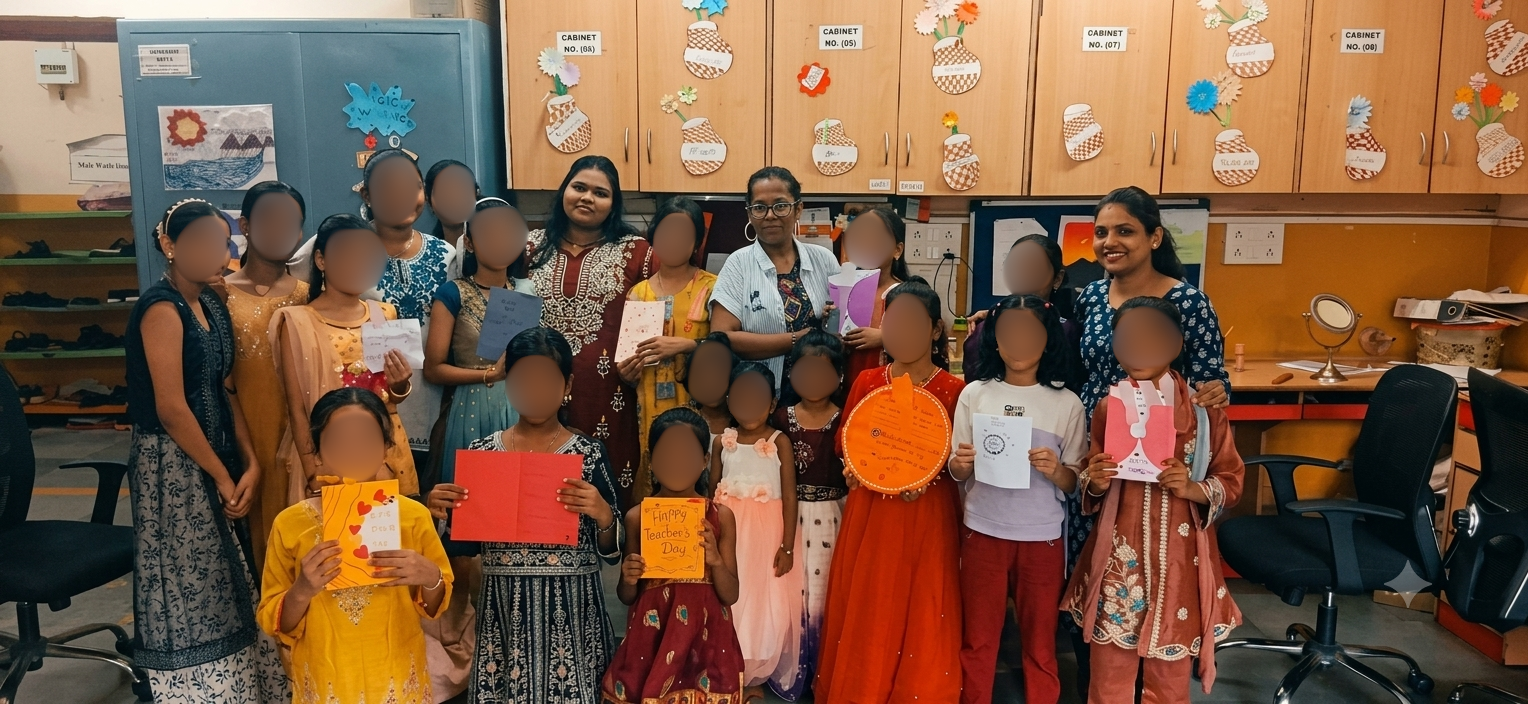
At Apne Aap Women’s Collective we believe change begins with presence, by walking alongside women and girls over time rather than rushing outcomes.
Our work centres dignity, long-term care, education, health, and livelihoods that allow life to be imagined differently. Progress here is measured in trust rebuilt, choices widened, and futures which are no longer inherited by default. If you wish to see how this care takes shape, we invite you to explore our programmes and the women who shape them, slowly and with resolve.